Entry · Ref 4ZSOGDRP
Discovering Hidden Gem Pizza Place Cheyenne Locations
- Posted
- 2026-11-17
- Last amended
- 2026-11-17
- Account
- @andydbpk821
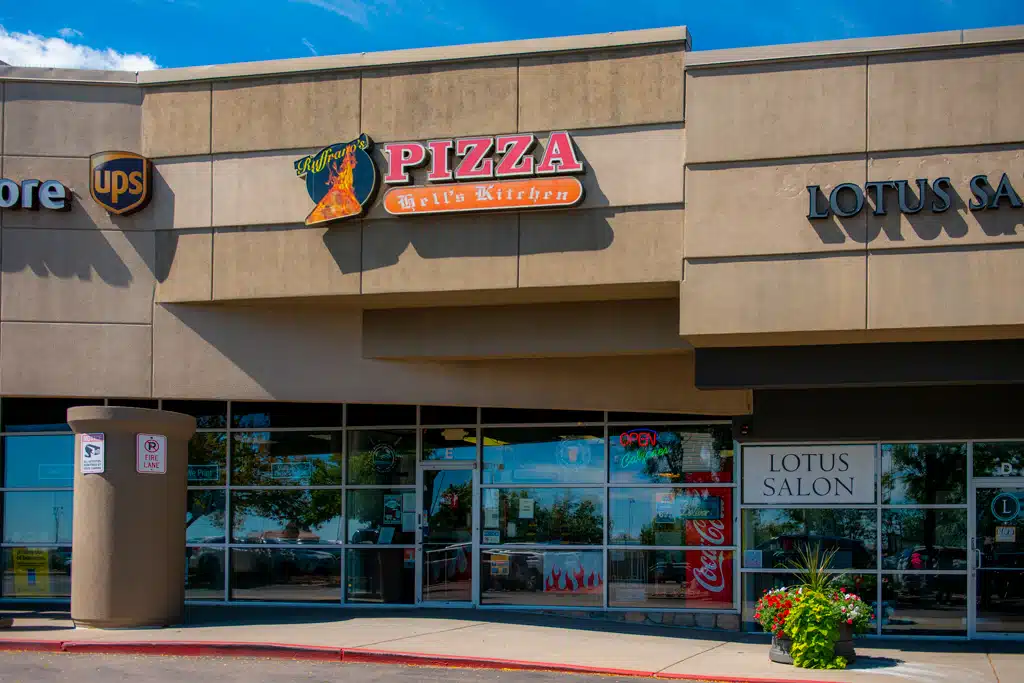
Cheyenne does not always get treated like a pizza town. People passing through often think of the city in terms of rodeo, rail history, wind, and wide skies. Locals know better. Spend enough time eating your way around town and a different picture emerges, one built on neighborhood joints, family-run kitchens, bar-and-pie combinations, and unassuming storefronts that turn out surprisingly serious slices.
The phrase hidden gem gets used too loosely in food writing, but it fits Cheyenne in a specific way. A hidden gem here is rarely hidden because it is hard to reach. More often, it is overlooked because it sits in a modest strip center, shares a building with another business, keeps limited hours, or simply does not advertise loudly. You drive past it three times before finally going in. Then, once you do, it quietly enters your regular rotation.
If you are searching for a pizza place Cheyenne residents return to without fanfare, it helps to understand how local dining works. This is a city where reputation still travels by word of mouth. One good recommendation from a mechanic, teacher, or neighbor can matter more than a polished social media feed. The best meal in town is not always attached to the flashiest sign.
What makes a Cheyenne pizza spot feel like a real find
A hidden gem pizza place in Cheyenne usually earns that status the old-fashioned way. It does a handful of things well, keeps standards consistent, and survives on repeat customers rather than novelty. The room might be plain. The menu might be shorter than expected. The staff may greet regulars by name and newcomers with a quick, direct warmth that feels more Wyoming than scripted hospitality.
The crust tells you a lot. In smaller markets, mediocre pizza often leans too heavily on toppings to hide weak dough. Better spots in Cheyenne tend to get the fundamentals right. You notice the chew, the browning on the underside, the balance of sauce to cheese, and whether the slice holds up when lifted. A good pie in this city usually reflects practical judgment. Too much grease and people will not come back. Too little seasoning and the pizza fades from memory. The standouts find the middle ground.
Another clue is restraint. Hidden gem places are often run by people who know exactly what kind of pizza they want to serve. They are not chasing every trend at once. You may see a compact menu with a few house combinations that have clearly been refined over time. That tends to be a strong sign. Restaurants that know their identity usually cook with more confidence.
Why Cheyenne rewards a slower search
Cheyenne’s food scene works differently from larger cities where buzz can build overnight. Here, discovery is more physical. You notice a parking lot that stays unexpectedly full on a Tuesday. You overhear someone at work mention a place “over by the south side” with a better crust than the chain spots. You stop in after a high school game or before heading home from errands. That slower pace changes the experience.
In a bigger metro, hidden gems often become overexposed quickly. In Cheyenne, a quieter kind of loyalty protects smaller restaurants. Many of the best local pizza experiences still feel local because they serve real routines: family dinners, lunch breaks, weekend pickup, post-practice meals, and casual dates where nobody wants a precious atmosphere. That setting matters. Pizza tastes better when it fits naturally into a town’s rhythm.
The city’s geography helps shape this too. Cheyenne spreads out just enough that neighborhoods develop their own habits. A place near downtown might catch office workers and travelers. A spot farther out may rely almost entirely on residents from nearby subdivisions. That difference affects the whole operation, from service speed to menu design. Hidden gems often emerge in those less visible neighborhood pockets where owners build trust over years rather than months.
The locations that tend to hide the best pizza
When people imagine a great local pizzeria, they often picture a busy downtown corner. Cheyenne can deliver that kind of experience, but some of the strongest meals come from less romantic addresses. A pizza place cheyenne diners rave about might be tucked beside a convenience business, near a roadway that most visitors only use to get somewhere else, or inside a mixed-use strip that looks ordinary from the outside.
That is not a flaw. It is part of the appeal. Lower-frills locations can keep overhead more manageable, which often shows up where it matters most: ingredient quality, portion generosity, and staffing. I have seen this pattern repeatedly in mid-sized Western cities. The operator who skips decorative upgrades often has the budget and energy to focus on dough fermentation, oven maintenance, or a better cheese blend.
There is also a psychological advantage to understated places. They tend to attract customers who came to eat, not to be seen. That changes the feedback loop. Restaurants hear more honest opinions. They adjust faster. Their regulars notice if standards slip. In a city the size of Cheyenne, that accountability is powerful.
Downtown and near-downtown surprises
Downtown Cheyenne has enough foot traffic to support restaurants, but the hidden gems near the center often sit just outside the most obvious blocks. These are the places you reach after walking one street farther than the first cluster of storefronts. They benefit from being close to offices, events, and hotels, yet they may not be the first stop for visitors who only have an hour.
In these areas, pizza shops often need to do double duty. Lunch must be quick enough for workers, while dinner needs enough personality to pull in families and locals after the business day ends. Places that thrive here usually have a smart lunch slice program or efficient carryout system. If the pie still tastes good at dinner and not just fresh out of the lunch rush, that is a meaningful sign of quality.
Neighborhood strip centers and side-street storefronts
This is where a lot of genuine hidden gems live. Strip-center pizza is easy to underestimate, but it often produces the city’s most reliable weeknight meals. Families value consistency over drama, and neighborhood places learn to deliver exactly that. Parking is easy. Pickup is simple. Kids know what they want. Adults find a couple of house favorites. Before long, the place becomes part of the household routine.
The best version of this model does not feel generic. You might find a signature crust, a surprisingly balanced white pie, or a sauce with a little more herb character than expected. Those small distinctions matter. They are often what elevates an ordinary location into the local conversation.
Sports-bar hybrids and tavern-style outliers
Some of Cheyenne’s most memorable pizza does not come from a pizzeria-first identity at all. A bar, pub, or casual grill can quietly develop a strong pie because it understands a simple truth: if people are staying for another round, the food had better hold its own. These places often excel at crisp, shareable pizzas that pair well with beer and conversation.
The trade-off is atmosphere. If you want a hushed dinner, a bar-forward setting may not fit. On the other hand, if you care most about a well-executed pizza and a lived-in room with local character, this category is worth your time.
How locals tend to spot the real thing
Cheyenne diners are usually practical judges. They may not describe a pizza in formal tasting language, but they know when a place gets the details right. Over time, a few patterns stand out.
- The parking lot is busy without seeming trendy.
- Staff know repeat orders and move with confidence during rushes.
- The menu has a few specialty pies people mention by name.
- Carryout boxes keep leaving the door, even on ordinary weeknights.
- Reviews from locals focus on consistency, not hype.
Those signs matter because hidden gems live or die on repetition. One great meal can happen anywhere. What separates a dependable neighborhood pizza place Cheyenne diners trust is the ability to send out good pies over and over again, through lunch, dinner, weather shifts, staffing changes, and the occasional citywide event surge.
Reading the menu like someone who has been there before
You can learn a lot before ordering. Start with the basic cheese or pepperoni pie, at least mentally. If the place seems to treat those options as an afterthought, that is a warning sign. Specialty pizzas are fun, but they should rest on a solid base. A strong kitchen respects the classics because it knows those are the benchmark.
Watch for clues about dough and bake style. A menu that distinguishes between hand-tossed, thin crust, pan, or a house style is usually telling you that crust matters to the operation. Descriptions of sauce can also be revealing. If everything is overloaded with toppings but there is little mention of sauce character, cheese type, or crust texture, the pizza may lean heavy without being especially good.
Portion structure is another useful indicator. Some hidden gems sell by the slice at lunch but shift toward whole pies at dinner. Others offer modest sizes that work well for couples and larger pies built for family takeout. Thoughtful sizing usually means the business understands its customer base. That kind of operational clarity often translates into better food.
I also pay attention to whether the menu includes one or two combinations that feel specific to the house rather than copied from every generic pizza board in America. That may be a garlic-heavy white pie, a pie with green chile influence, a meat combination with deliberate balance, or a veggie option that does not feel like an obligation. When a restaurant has a signature, it usually has standards.
The role of Wyoming appetite and weather
Pizza in Cheyenne is not just a casual indulgence. It fits the climate and the lifestyle. Cold evenings, windy days, long workweeks, sports schedules, and winter roads all make warm, filling takeout especially appealing. This practical side of pizza matters more here than in cities where dining out can be an all-evening performance.
Because of that, the best hidden gem locations understand comfort. Their pizzas travel reasonably well. Their crust does not collapse after a ten- or fifteen-minute drive home. Their boxes vent enough to protect texture. Their timing is predictable. That may sound unromantic, but it is part of professional restaurant competence. A pie that tastes excellent in the dining room but arrives limp at home is only doing half the job in a place like Cheyenne.
Wyoming appetite plays a part too. Diners often want value, but not cheapness. A restaurant that skimps on toppings to hit a price point may disappoint. One that piles on so much meat and cheese that the center turns soupy is not doing anyone a favor either. The local sweet spot is hearty but controlled, substantial without becoming clumsy.
When hidden gems are actually better than the obvious choices
National chains succeed for clear reasons. They are familiar, fast, and predictable. There is nothing wrong with that, especially on a chaotic weeknight. But hidden gem pizza places in Cheyenne often outperform chains where it counts most: flavor balance, crust quality, and individuality.
A local place can adjust a dough recipe for altitude, humidity, and seasonal shifts in a way a rigid system often cannot. It can choose a sauce profile that suits its own customer base. It can train cooks to watch the pie instead of the timer. These small advantages add up. In side-by-side comparisons, they usually show up in texture first. Chain pizza tends to be engineered for uniformity. Hidden gems, when well-run, feel more alive.
That said, independence does not automatically mean excellence. Some local places coast on nostalgia. Others never quite solve consistency. This is where repeat visits matter. I am slow to call any restaurant a gem after one meal. The second and third visit tell the real story. If the crust still has structure, the bake still looks intentional, and service still feels steady, then the praise is earned.
Best times to try a lesser-known spot
Timing can shape your impression more than people realize. A hidden gem that staffs leanly may perform very differently at 6:15 p.m. On Friday than it does at 1:30 p.m. On Wednesday. If you want to judge a place fairly, it ruffranoshellskitchenpizza.com pizza place cheyenne helps to be strategic.
- Try lunch first if the restaurant sells slices or personal pies.
- Visit once on a slower day and once during a normal dinner rush.
- Order one simple pie before moving to loaded specialty combinations.
- If takeout matters to you, test it at home rather than only dining in.
- Ask what regulars order, then compare it to your usual preferences.
That approach reveals more than a single peak experience. It also protects you from overreacting to one off-night. Restaurants are run by people, and all kitchens have variables. What matters is the pattern.
What hidden gem service looks like in practice
Service at a great neighborhood pizza spot is often efficient rather than theatrical. In Cheyenne, that can be a strength. You may not get a long menu speech, but you may get accurate wait times, honest recommendations, and a pie that lands on the table exactly as ordered. For many diners, that is better hospitality than rehearsed charm.
I have always thought pizza service should feel grounded. The best places run with a sense of rhythm. Phones ring, orders move, boxes stack, families come and go, and nobody acts flustered unless the rush truly overwhelms the room. When a small shop manages that flow well, it signals strong ownership or experienced floor leadership. You can feel the discipline without anyone naming it.
Watch how staff handle substitutions and delays. Hidden gems tend to survive because they recover well. If the oven backs things up, someone updates customers. If a topping is out, they offer a sensible pivot. That competence builds the trust that keeps regulars loyal through the occasional imperfect night.
The flavor profiles that tend to do well in Cheyenne
Cheyenne’s pizza preferences are broad, but a few styles usually find a dependable audience. Traditional red-sauce pies remain the center of gravity. Pepperoni, sausage, mushroom, onion, olive, and straightforward meat combinations still matter. The city has enough practical diners that restaurants cannot ignore the basics and expect to last.
At the same time, local hidden gems often build followings with one or two distinctive moves. A sweeter sauce can attract one set of regulars, while a more herb-driven or garlic-forward profile attracts another. Thin crust has a place, especially for crisp tavern-style eating, but medium-thickness hand-tossed pies often travel best and satisfy the widest range of households.
There is room for regional influence as well. In this part of the country, it would not be surprising to see a touch of green chile, a heartier meat emphasis, or a willingness to lean savory rather than delicate. Those details can make a local pizza feel rooted rather than generic.
Why some places stay hidden longer than they should
A restaurant can serve very good pizza and still remain under the radar for years. Sometimes the owner has no interest in heavy promotion. Sometimes hours are limited. Sometimes the dining room is plain enough that people assume the food is too. In other cases, the business may simply sit outside the routes that visitors and newer residents travel every day.
There is also a local modesty factor. In cities with louder food scenes, owners often market themselves aggressively. In Cheyenne, some of the strongest operators focus more on execution than branding. They build slowly. Their customer base thickens one family at a time. For diners willing to pay attention, that creates opportunity.
A hidden gem pizza place Cheyenne locals love may never trend beyond the city. That does not reduce its value. If anything, it preserves the qualities that made it special in the first place: manageable crowds, familiar staff, and a menu built for people who will be back next week.
The real pleasure of finding your own regular spot
The best discovery is not necessarily the most dramatic pizza you will ever eat. More often, it is the place that fits your life. The crust holds up. The sauce tastes like itself. The drive is easy. The order is right. The room feels comfortable enough that you stop evaluating and simply enjoy dinner.
That is the quiet triumph of Cheyenne’s hidden pizza gems. They do not always arrive with fanfare. They become important through reliability, character, and the kind of flavor memory that sneaks up on you. A month later, pizza place cheyenne you realize you have recommended the same place to three different people. A season later, it is where you go after a long day, where you bring out-of-town family when you want something unfussy and good, where the cashier starts to recognize your name.
For anyone exploring a pizza place Cheyenne has not made famous yet, that is the right mindset. Look beyond the obvious corners. Trust the modest storefront with the busy carryout rack. Pay attention to the places that have figured out their neighborhood. Hidden gems rarely announce themselves. They earn their place one solid pie at a time.
Ruffrano's Hell's Kitchen Pizza Cheyenne
Address: 1670 E Cheyenne Mountain Blvd, Colorado Springs, CO 80906
Phone number: +17195764355
FAQ About Pizza Place Cheyenne
What's the most popular pizza place?
The "most popular" pizza place depends on whether you measure by location count, total sales, or customer favorite status.
What is the 2 pizza rule?
The two-pizza rule is a management principle made popular by Amazon founder Jeff Bezos. It states that a team or meeting should never be larger than what can be fed with two large pizzas—typically translating to a group of 5 to 10 people (or roughly 6 to 12 people depending on appetites).
Is 2 pizzas enough for 10 people?
No, 2 pizzas are usually not enough for 10 people.